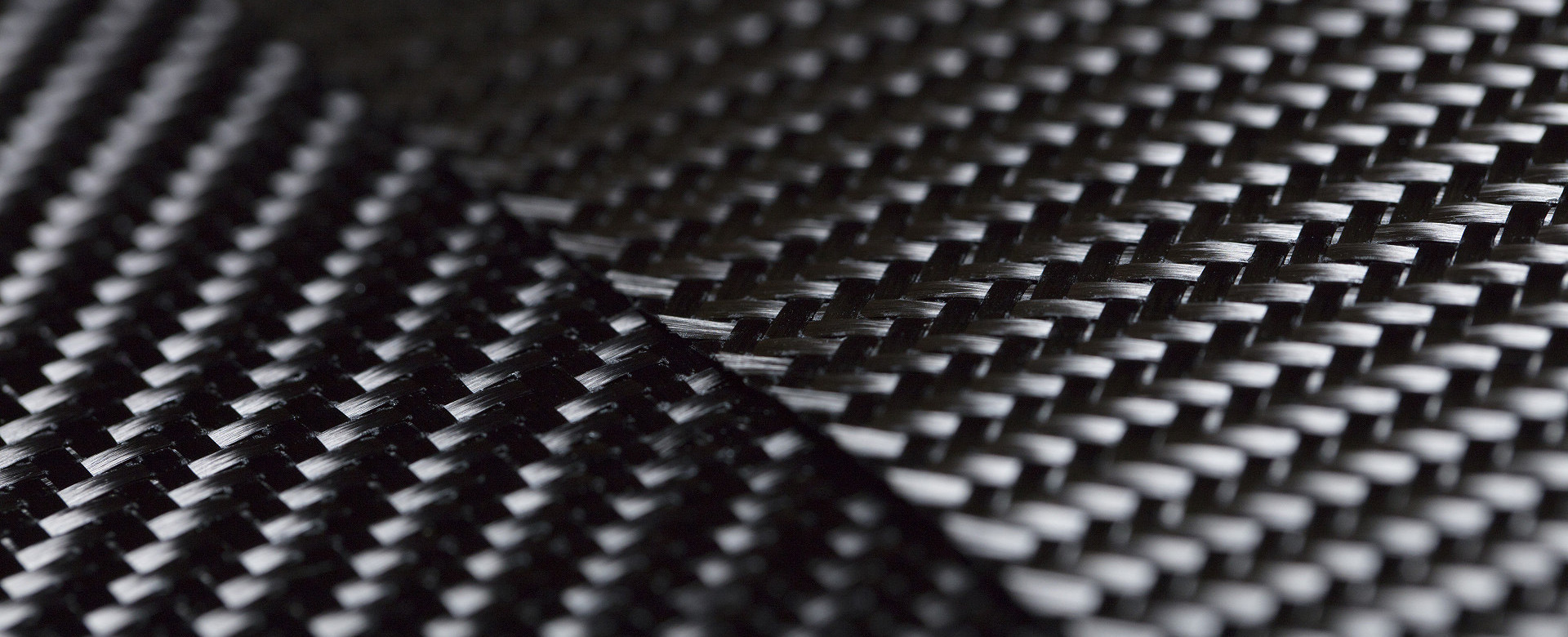
SHD Prepreg composite material
Cyanate Ester prepreg

CEL100-1

Low temperature curing cyanate ester

Key Features & Benefits

Key Feature Low temperature curing cyanate ester
Application High service temp with a required postcure, suitable for Automotive component
Initial Cure Temp 160°F- 195°F
Initial Cure Time 22 Hours- 6 Hours
Post Cure Option yes
Outlife 2 days at 70°F
TG Onset* 565°F -DMA
TG Peak* 592°F -DMA
Toughened No
Cure Autoclave
Availability All sites

CEL100-1 is a cyanate ester prepreg designed to cure at low temperatures, whilst producing durable components with excellent high temperature performance. It can be supplied on a variety of fabrics to meet your cost and manufacturing requirements.

Why choose this material

CEL100-1 is ideal for ultra-high temperature materials where you are limited on initial cure temperature. Available from all SHD sites in the UK, US and Europe.

Supplied with SHD's renowned service, including:

  • Short two-week lead times and low MOQs

  • Exceptional product quality

  • First class technical support

  • Excellent customer service

  • The same manufacturing equipment and processes across all sites

Advanced composite solutions for aerospace (passenger plane seating) Advanced composite solution for Motorsport

Recommended markets

Aerospace Motorsport

Aerospace

Advanced composites specified across major commercial aircraft today
Find out more

Motorsport

SHD Composites is the advanced prepreg partner behind winning race teams
Find out more

Technical Guidance Information

01

Storage and Out Life

This material should be kept frozen at -18°C (0°F). It must be kept sealed in a polythene bag which must not be opened until fully thawed to room temperature. If the material is not fully used, then the material must be resealed in the polythene bag to prevent moisture absorption.

02

Health and Safety

This material contains epoxy resin which can cause allergic reactions with skin contact and must avoid repeated and prolonged skin contact.

Please refer to the product Safety Data Sheet before using this material. The following precautions must be taken when using epoxy resin prepregs:

  • Overalls must be worn

  • Impervious gloves must be worn

  • Curing schedule is meant to be as a guide only and is subject to local conditions

  • To avoid exotherm, particular care must be taken with thick laminates

  • Ramp rates must not exceed 1.0°C (2°F)/min during initial cure and 0.3°C (0.5°F)/min during post cure

Contact us

Talk to us about your composite application

Fill in this short contact form and a member of staff will be in touch as soon as possible.

More SHD products

Cyanate Ester prepreg

CEM100
Cyanate Ester, Very High Service Temp

Cyanate Ester prepreg

CEM101
Cyanate Ester, Enhanced Dielectric Performance

Cyanate Ester prepreg

CEM160
Cyanate Ester, Higher Service Temp, Available on UD reinforcements

Epoxy prepreg

HTC400
High Temp Cure, High Service Temp

Case Studies

Frequently Asked Questions

01

Is this a suitable prepreg for high-temperature motorsport parts?

CEL100-1 is designed for motorsport components that need to perform at high temperatures. Once fully cured and post-cured, it offers very high heat resistance while still allowing the initial cure to take place at relatively low temperatures. 

02

Can a high-temperature prepreg be cured at a low temperature?

Yes. CEL100-1 can initially cure between 70°C and 90°C (158°F to 194°F), making it useful where high-temperature tooling is not practical. A post-cure is then used to achieve its full temperature performance. 

03

What is cyanate ester prepreg used for?

Cyanate ester prepregs are used where parts need to cope with high temperatures. CEL100-1 is aimed particularly at aerospace and motorsport components and combines low-temperature initial curing with strong performance once the part is fully post-cured. 

04

Why choose cyanate ester prepreg instead of epoxy?

Cyanate ester systems are often chosen when higher temperature performance is required. CEL100-1 can reach a much higher temperature capability than many conventional epoxy prepregs, making it suitable for parts exposed to demanding heat conditions. 

05

Can CEL100-1 be supplied with different fibre reinforcements?

Yes. CEL100-1 can be supplied on a range of fabrics, allowing the reinforcement to be chosen around the part’s performance, manufacturing and cost requirements. This gives manufacturers more flexibility when specifying material for different applications. 

Accreditations

Ready to discuss your project?

Leave your details and we will contact you ASAP

Request a callback